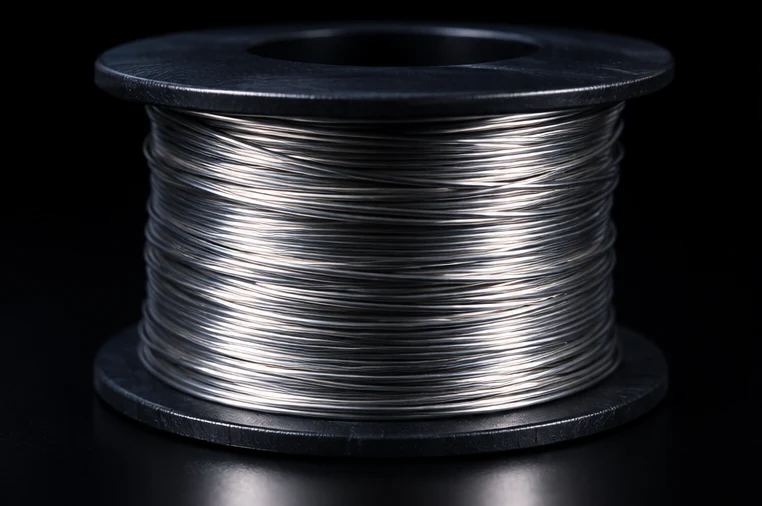
Start with the compound or alloy
A text that mentions niobium in a magnet may be referring to a material such as niobium–titanium rather than elemental niobium. Write the full material name in your notes when the source supplies it.
Read the operating conditions
Superconducting behavior depends on factors including temperature and magnetic field. A material described as superconducting in one operating range may be described differently in another. Keep the stated conditions next to the material name.
Distinguish component from system
A description of a magnet can discuss a wire or coil, the complete magnet or the system that cools it. Identify which level the author means before comparing figures from different sources.
Further reading · U.S. Geological Survey
Read the system in layers
Begin with the smallest component described in your source. A conductor is made into a coil, the coil forms part of a magnet, and the magnet operates within a larger installation. Keep those layers visible in your notes. A number that describes the conductor cannot automatically be treated as a rating for the complete installation. The surrounding equipment and the stated operating conditions belong to the description as well.
Make comparisons traceable
For each source, record the full material name and the conditions attached to its result. If a source omits a condition, mark that field as unspecified and keep the original link. This small discipline prevents a confident-looking comparison from hiding differences between the underlying descriptions. The introductory references linked here explain the role of niobium in a broader materials context. They provide a route into the subject for readers who want to investigate the terminology further.